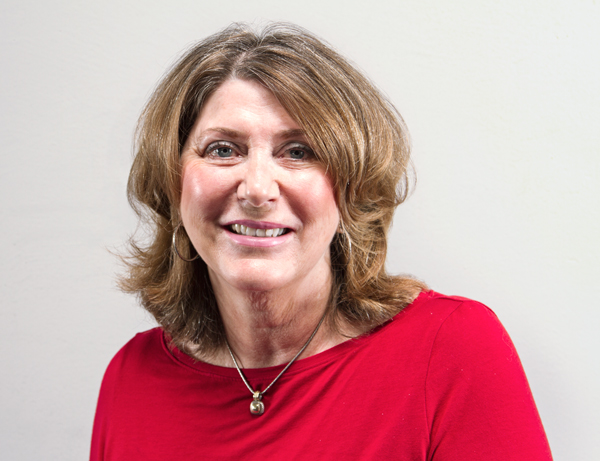
We’re no strangers to the power of sunscreen when it comes to protecting our skin from the sun, but were curious to lean more. I had the honor of asking one of my favorite Dermatologist Dr. Laura Cohen, MD in Huntington Beach, CA a few questions about how sun exposure affects our skin.
(Dr. Cohen, a dermatologist, with over thirty years of experience treating sun-damaged skin has a pretty good idea of the relationship sun exposure plays on aging skin and disease.)
We live in sunny California, is the outdoor sun loving life style actually not healthy?
The Sun’s Ultraviolet radiation (UVR) and sun damage are “Hand in Glove”. It’s the cause and effect syndrome.
I try to point out to my patients that the U.S. Department of Health and Human Services and the World Health Organization consider UVR a Carcinogen like plutonium and cigarettes. Our warm California sun is a primary cause of non-melanoma skin cancers including basal cell carcinoma and squamous cell carcinoma. Blistering sunburns in childhood are linked to malignant melanoma later in life. Sun damage is cumulative beginning in our early youth!
Why is the sun dangerous?
The sun emits basically three types of radiation, some of which affects our bodies in several deleterious ways including our immune system. UVR creates genetic mutations that produce skin cancer, aging skin and sun-damaged skin.
What are the types of radiation and how do they affect us?
UVA rays are far more prevalent but they are less intense than UVB. UVA dangerously penetrates the skin more deeply than UVB, causing skin aging, tanning and wrinkling (photo aging).
UVB radiations causes skin redness and sunburn. These rays affect and damage the more superficial epidermal layers. UVB rays not only can cause skin cancer but also contribute to tanning and the photo aging of skin as well.
Both UVA and UVB are damaging to the skin and that why it is important to use a Broad Spectrum sun screen that protects against UVA and UVB.
Lastly, UVC radiation is generally not considered a concern as it is almost entirely absorbed by the ozone layer so little of this type of radiation reaches the earth’s surface.
What is all the concern about tanning beds?
Tanning booths primarily emit the dangerous UVA radiation. People who use tanning salons are considered to be 2.5 times more likely to develop squamous cell carcinoma, and also 1.5 times more likely to develop basal cell carcinoma. Another scary recent research statistic reveals that the early and repeated exposure to tanning beds by teenagers increases their risk of getting melanoma by an estimated 75 percent.
Is there a safe time to go into the sun?
The surfers generally have it right! They surf in wetsuits early, usually before 10 AM and after 4 PM, avoiding the peak sun radiation hours. Also, during the summer months from April to October the sun is more intense. Never the less, you can still sunburn and suffer skin damage year-round even on cloudy days. You also get more radiation at high altitudes and on reflective surfaces like sand, water, snow and ice.
Haven’t you also been active in developing new sunscreen products?
Yes, definitely! My daughter Lisa LeBlanc, our COO and I founded CoLabs Intl Corp, in 2008 to develop a sunscreen, KlenSkin, that would be easy to apply as a daily habit and avoid the negatives typically preventing the daily use of sunscreens. I serve as the President/CEO of CoLabs.
What did you come up with?
I was active with a group of scientists and came across a technology whereby sunscreen active ingredients could be encapsulated and those encapsulates could then be made to be attracted to the skin. Since the sunscreen encapsulates are basically the size of a skin cell, absorption is not an issue and the photoreaction takes place on the surface of the skin. A great concept but we figured out a way to add this formulation into a combination liquid body wash /shampoo, so that after application, the soap rinses away leaving the sunscreen lotion encapsulates attached to the skin. It’s non-greasy, doesn’t require extra application steps and after application does not burn or run into the eyes. We have achieved a head-to-toe, easy sunscreen – KlenSkin!
That sounds too easy!
The technology and formulation was a challenge to achieve this Wash-on goal. But we did it! Our initial KlenSkin product was an SPF 15. We reformulated this original product with a new encapsulate and soap formulation and we now have a broad-spectrum KlenSkin SPF 30, Water resistant tested to 80 minutes, Wash-On product – which says a lot for the science we have introduced to sunscreens. It’s really quite revolutionary!
You mean that you literally wash, rinse and the sunscreen is applied!
Not really an original concept but indeed we took the Fluoride in toothpaste, Vitamin D in Milk and Iodine in salt approach!! We have “the no excuse not to wear sunscreen – sunscreen”. There is no tackiness, no oily residue, no stinging in eyes, and no separate application process for putting it on. You shower, wash, shampoo and you have a base layer of protection for your entire body from head to toe. Golfers love KlenSkin because it protects their scalps!
To be honest, I tried KlenSkin and I didn’t get burned, but I don’t go directly into the sun anyway.
You know that’s a good point. Over 80% of the sun damage to the skin occurs during daily activities done outdoors like driving, walking, drinking your coffee outside – from indirect sunlight! Activities at the beach, at athletic fields and running for instance only account for 20% of our UVR skin damage—the 80 % being incidental exposure. That’s why our product KlenSkin is so good. Again, you have a base layer of sun protection. If you are going to be active in the sun then put on additional Sunscreen protection. The FDA recommends reapplication every two hours but most people don’t even put on sunscreen until they are active in direct sunlight, forgetting typically that they walked their dog, walked around the block, drove the kids around in the convertible and talked outside with their neighbor. That’s why most people have the proverbial farmer’s tan lines.
Tell me about your medical practice?
I have long been involved in academic medicine, while on Staff at the VA Medical Center at Long Beach, I taught dermatology residents from UCI. I am the Vice-Chief of Dermatology at Hoag Hospital and on the USC-Hoag Cancer Center, Melanoma Advisory Board. I also have an active Dermatology Practice at the Hoag Medical Center, naturally on Beach Boulevard, in Huntington Beach, CA.
Am in love with klenskin unique concept! http://www.klenskin.com/

 SkinExpert1